
How to Identify Authentic Patchouli Oil? Tips for Buyers
Introduction
Patchouli oil is a valuable essential oil widely used in the fragrance, cosmetics, and aromatherapy industries. However, due to its high demand, the market is often flooded with adulterated or synthetic versions. As a buyer, ensuring the authenticity of patchouli oil is crucial to achieving the best quality and value for your investment.
In this article, we will provide expert insights on how to determine genuine patchouli oil, essential buying tips, and why PT. NES Agro International is your best partner in sourcing high-quality patchouli oil.
Why Authentic Patchouli Oil Matters
Authentic patchouli oil (Pogostemon cablin) has unique properties that make it highly sought after, including its long-lasting fragrance, therapeutic benefits, and use in luxury perfumes. Counterfeit or diluted oils can compromise product effectiveness, safety, and business reputation.
Key Characteristics of Genuine Patchouli Oil
To ensure you are purchasing real patchouli oil, consider the following characteristics:
1. Aroma Profile
- Pure patchouli oil has an earthy, woody, and musky scent that deepens over time.
- Synthetic or adulterated oils often have a sharp, overly sweet, or chemical-like aroma.
2. Color and Consistency
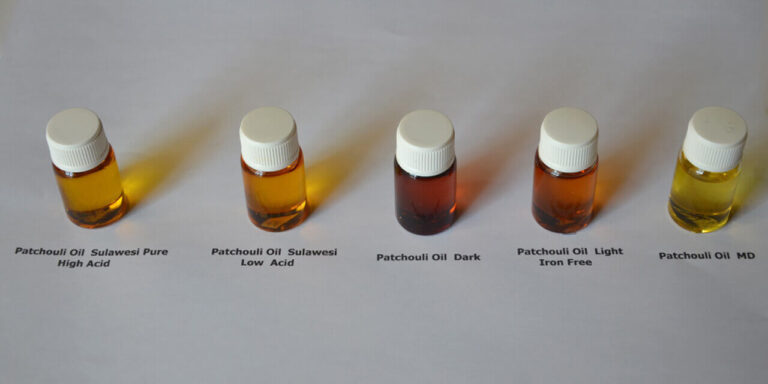
- Authentic patchouli oil varies from light golden to deep amber depending on its aging process.
- It has a thick consistency and does not evaporate quickly.
3. Chemical Composition (GC-MS Analysis)
- Gas Chromatography-Mass Spectrometry (GC-MS) is the gold standard for verifying essential oil purity.
- Genuine patchouli oil contains high levels of patchoulol, the key bioactive compound responsible for its therapeutic properties.
4. Solubility Test
- Pure patchouli oil should be insoluble in water but should blend well with carrier oils and alcohol.
- If the oil dissolves too easily in water, it may be diluted with alcohol or other synthetic compounds.
5. Source and Origin
- Authentic patchouli oil is mainly sourced from Indonesia, particularly from Aceh and Sulawesi, known for producing the highest quality oil.
- Always verify the supplier’s credibility and request sourcing information.
How to Avoid Fake Patchouli Oil
Given the high market demand, many sellers attempt to pass off low-quality or synthetic versions. Here’s how you can avoid falling into this trap:
1. Check for Certifications
- Ensure the supplier has certifications such as ISO, USDA Organic, and ECOCERT, which validate authenticity.
2. Request a Sample and Conduct a Patch Test
- Smell and test a small quantity to detect any synthetic additives.
3. Ask for a Certificate of Analysis (COA)
- A reputable supplier should provide a COA detailing the oil’s chemical composition and purity.
4. Buy from Trusted Suppliers
- Partnering with reliable suppliers like PT. NES ensures you receive premium-grade patchouli oil sourced from the best farms in Indonesia.
Why Choose PT. NES for Your Patchouli Oil Needs?
PT. NES is a leading supplier of authentic Indonesian patchouli oil, ensuring top-tier quality, ethical sourcing, and competitive pricing. Here’s why buyers trust PT. NES:
- 100% Pure and Natural Products – All our oils undergo rigorous quality control and third-party lab testing.
- Sustainable and Ethical Sourcing – We work directly with local farmers, ensuring fair trade practices.
- Consistent and Reliable Supply – With large production capabilities, we guarantee timely delivery for bulk orders.
- Competitive Pricing – We offer the best prices without compromising quality.
- Comprehensive Documentation – Each batch is accompanied by GC-MS reports, COAs, and necessary export documents.
Conclusion
Ensuring the authenticity of patchouli oil is critical for businesses in the fragrance, cosmetics, and aromatherapy industries. By following the tips outlined above, buyers can make informed purchasing decisions and avoid counterfeit products.
For premium-quality, ethically sourced patchouli oil, PT. NES Agro International stands as your trusted partner. Contact us today for inquiries and samples.
Scientific References
- Basri, D. F., & Fan, S. H. (2005). “The Potential of Patchouli Oil in Antimicrobial Activity.” Journal of Essential Oil Research.
- Wei, A., & Shibamoto, T. (2007). “Antioxidant Activities and Chemical Compositions of Essential Oils.” Journal of Agricultural and Food Chemistry.
- Guenther, E. (1952). “The Essential Oils, Volume 5.” Van Nostrand Reinhold Company.
Recent Posts
- From Farm to the World: The Journey of Patchouli Oil by PT. NES Farmers to the Global Market
- How to Identify Authentic Patchouli Oil? Tips for Buyers
- Enhancing the Welfare of Patchouli Farmers: PT. NES Development Program
- Essential Oil Trends 2025: Why Patchouli Oil is in High Demand
- Sulawesi Patchouli Oil: Its Advantages and Benefits in the Perfume and Cosmetic Industry
Table of Contents
© 2026 All Rights Reserved.